Best Time of Year to Visit Israel for a Christian Pilgrimage

Planning a Holy Land pilgrimage? Climate-wise, the best time to visit Israel is during Autumn (Sep-Nov) or Spring (Mar-May). Pleasant weather makes these moderate, in-between seasons ideal for ticking biblical sites off your bucket list.
Summer and winter are also doable, depending on which regions you visit. Plus, many guests plan pilgrimages to coincide with Christian festivals such as Easter, Christmas, Pentecost, and the Feast of Tabernacles.
With so much to consider, we’ve put together a guide on when to visit Israel on a Holy Land tour.
The best seasons to visit Israel on a pilgrimage
The ideal season depends on whether you prefer moderate weather or lower prices and thinner crowds.
Israel in Spring (Mar-May)
Sunny skies and temperate weather make spring the perfect time to follow in Jesus' footsteps. Expect a balmy 54–77 °F (12–25 °C) in the ancient city of Jerusalem, and a warmer-but-still-pleasant 59–86 °F (15–30 °C) around the Sea of Galilee. Cool evenings and occasional rain mean packing a sweater and an umbrella.
Israel’s landscapes come into bloom during spring, with wildflowers carpeting the hills around Jerusalem and the Sea of Galilee. Many first-time guests feel surprised by the verdant spring scenery – Israel isn’t all one big desert.
However, the idyllic weather brings thicker crowds. During the peak pilgrimage season, Israel’s main biblical sites will pack out with the devout. March is noticeably less crowded than April or May, though also a fair bit colder.
Either way, Sar-El Tours can schedule visits to the busiest attractions at off-peak times to avoid the heaviest crowds.
Israel in Summer (Jun-Aug)
Scorching heat engulfs the Middle East from June to August. While summer is brilliant for beach bumming in coastal cities like Tel Aviv or Eilat, high temperatures make it less popular among pilgrims.
Most biblical sites reside inland, and destinations like the Sea of Galilee sizzle at 90–100 °F (32–38 °C). Jerusalem is more comfortable in summer, with typical highs of 82–90 °F (28–32 °C).
But there is a big plus to a hot Israeli summer. While the holidays see an uptick in domestic travel, the hot weather deters most Christian visitors, many of whom hail from milder climates in North America and Europe. That means thinner crowds at sacred pilgrimage sites, some of which get ram-packed during peak season.
Sar-El Tours helps guests beat the summer heat with early-morning/late-afternoon sightseeing, minimal-walking itineraries, and cool, air-conditioned coaches.

Israel in Autumn (Sep-Nov)
As autumn swings into gear, the intense heat fades, and the summer vacation crowds head home.
September still feels fairly hot in the Sea of Galilee, with mild weather often not arriving until October. With warm days and crisp, cool nights, late autumn offers some of the best weather for Christian pilgrims visiting Israel.
Autumn welcomes fewer visitors than spring; expect cheaper airfares and lower hotel rack rates. Fewer fellow pilgrims also means more serenity at the most famous biblical sites, affording a unique opportunity to pause and reflect.
Israel in Winter (Dec-Feb)
Winter is low season in Israel, with Jerusalem seeing highs of 50–59 °F (10–15 °C) and lows of 41–46 °F (5–8 °C). Although far from warm, these mild temps may feel relatively balmy for Europeans and North Americans accustomed to freezing winters. The Sea of Galilee is a fair bit warmer, with 50–68 °F (10–20 °C) average highs and 41–50 °F (5–10 °C) lows.
Pilgrims packing appropriate warm-weather attire will find winter a reasonable – albeit somewhat chilly – time to visit.
Most of Israel’s modest annual rainfall occurs during the cooler months. While a raincoat or umbrella is recommended, prepare for intermittent drizzle rather than monsoonal rains. Sar-El Tours has a contingency plan for wet-weather days during all its winter trips.
Outside of the Christmas and New Year's crush, winter is a peaceful, uncrowded time to visit. Low season means more room to move at sites like the Church of the Holy Sepulchre, and lower prices for flights and accommodation.
The best seasons to visit Israel’s pilgrimage hotspots
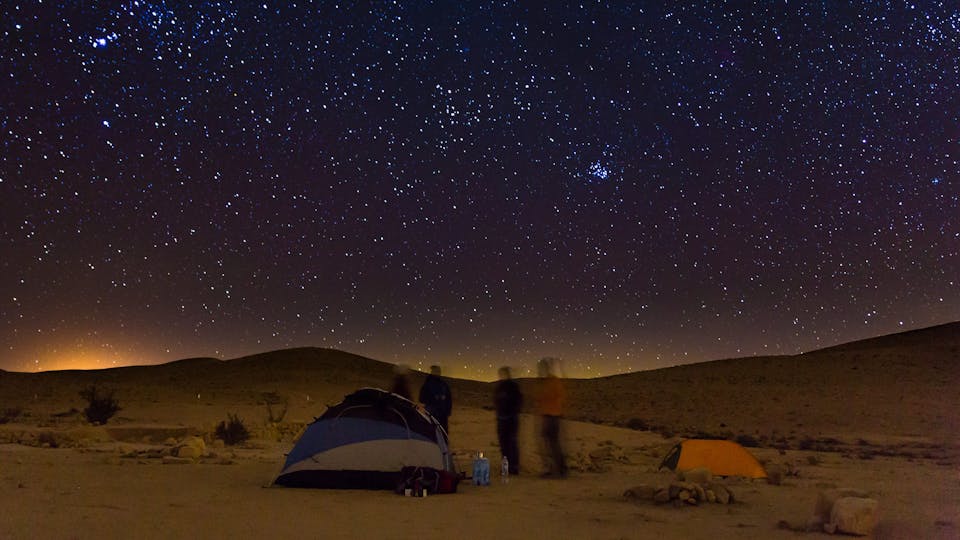
Thanks to its wide range of distinct climatic zones, the ideal season to visit Israel depends on where you’ll go.
The best time to visit Jerusalem & Bethlehem
Located just 6 miles (10 km) apart, Jerusalem and Bethlehem share a near-identical climate. Despite residing inland, a lofty 2,600 ft (800m) of elevation keeps the region cooler during summer while the rest of the country sizzles.
The best seasons to visit Jerusalem are autumn and spring. However, with moderate summers and winters, the area is okay to visit year-round.
Regardless of the season, Christian pilgrims can follow in the footsteps of Jesus at biblical sites such as the Church of the Holy Sepulchre, Via Dolorosa, Mount of Olives, and the Church of the Nativity.
To side-step the crowds, avoid Easter, Christmas, and the April-May Israel peak season.
The best time to visit the Sea of Galilee & Nazareth
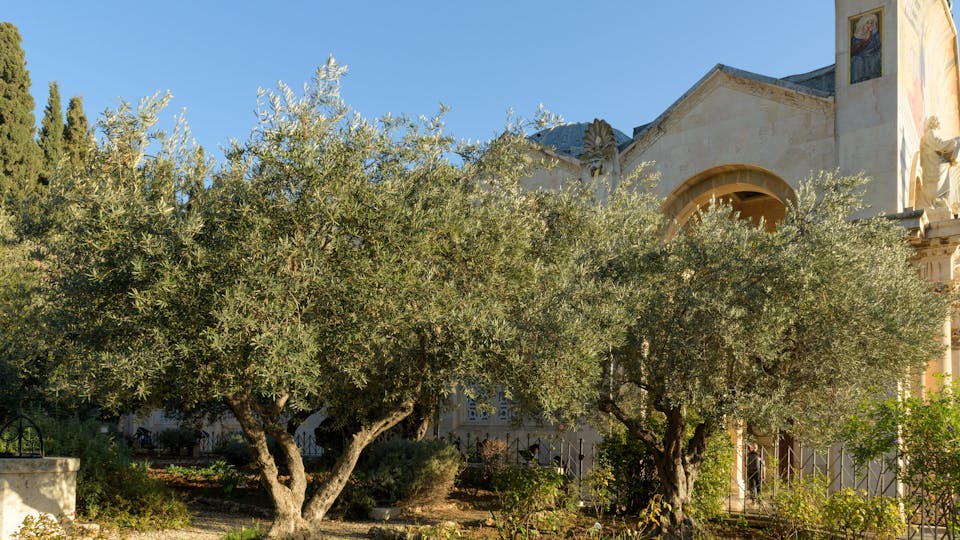
Situated in northern Israel, the Sea of Galilee hosts many of the Holy Land’s most noteworthy Christian sites: Capernaum, the Mount of Beatitudes, Tabgha, the Yardenit baptismal site, Mount Tabor, and more.
The Sea of Galilee has a Mediterranean climate, with hot, dry summers and wet, mild winters.
Many pilgrims find the area too hot during summer, when daytime peaks can exceed 100 °F (38 °C). What’s more, high relative humidity from the great inland lake makes things muggy this time of year, so plan early-morning excursions and avoid strenuous walks. Nearby Nazareth has slightly more manageable summers owing to its higher elevation.
Spring and autumn offer the best weather, making them well-suited for lengthy outdoor walks. Winters are mild by global standards – you’ll be fine with a few warm layers and rain protection.

Feast of Tabernacles
For Evangelicals, the best time to visit Israel is during the Feast of the Tabernacles. The joyful eight-day festival celebrates the redemptive works of Christ, while symbolizing the prophetic fulfillment and coming of the Messianic Kingdom.
Throughout Jerusalem and the Sea of Galilee, Christians gather to worship, preach, pray, connect with the land, visit Israelite sukkahs (temporary shelters), and anticipate the coming of Jesus. One highlight is the Jerusalem March, where scores of devotees walk through the City in one of the world’s most meaningful Christian parades.
Considered a “gathering of nations,” Evangelicals arrive in Israel from all over the world to experience the festivities. Due to limited hotel vacancies and logistical complexities, the vast majority book a land tour through a local travel agent. With the transport, accommodation, and itinerary taken care of, pilgrims can focus on connecting their faith with the land.
The Feast of the Tabernacles occurs during the mild autumn months of September or October. Sar-El Tours can organize tailor-made land tours for small or large groups at competitive prices.
Easter pilgrimages to Jerusalem
Passion Week means peak season for faith-based tourism. Balmy weather and soulful commemorations draw swarms of devotees seeking an Easter pilgrimage in Israel.
The primary destination, of course, is the site of Jesus’ crucifixion in Jerusalem. Large crowds gather around the Church of the Holy Sepulchre to follow in the footsteps of Our Saviour on the anniversary of his final day.
Devotees can attend once-in-a-lifetime events such as Good Friday services and Palm Sunday processions at Via Dolorosa, the world-famous crucifixion route. Less solemn Easter Sunday celebrations commemorate the Resurrection of Our Saviour.
Jerusalem gets exceptionally crowded when Easter coincides with Passover, a major, eight-day Jewish holiday.
Eager to experience Easter in Jerusalem? Tens of thousands of fellow devotees have the same idea – book your flights and accommodations well in advance. Sar-El Tours can organise a special Passion Week package that includes lodging, ground transport, airfares, and access to key events.
Christmas pilgrimage to Bethlehem
The other great Christian event in Israel is Christmas, which attracts scores of devotees to the site of Jesus' birth in Bethlehem.
Each Christmas Eve, Catholics queue for hours to attend Midnight Mass at the Church of the Nativity, the site believed to be the birthplace of Christ. Don’t arrive hoping for a spot – tickets must be acquired well in advance. The pilgrims who miss out watch a live stream of proceedings on a screen outside the church at Manger Square.
During the lead-up to Christmas, the atmosphere is festive and joyful, with carol celebrations and Nativity pageants galore. Bright lights illuminate Bethlehem at night, and several soul-stirring services occur throughout the city and nearby Jerusalem.
Due to the hordes of fellow pilgrims, navigating the Christmas proceedings can prove tricky for independent travelers. Sar-El Tours offers customised Christmas itineraries to observe Midnight Mass and explore nearby sacred sites.
Israel tour planning with Sar-El Tours
Whether you’re sticking to Jerusalem or exploring further afield, a pilgrimage to Israel is a transformative spiritual experience. Our clients adore visiting sites they’ve read about in the Bible, and report feeling a deeper connection to Christ upon experiencing His homeland first-hand.
As Israel's leading faith-based tourism operator, Sar-El Tours draws on 30+ years of experience and a broad network of travel industry professionals to offer premium tailor-made pilgrimages. We partner with travel agents worldwide. Feel free to reach out to your own agent or ask us to connect you with one of our own.
Many clients choose to visit on a church excursion to deepen their faith together with familiar faces. Have a chat with your pastor to see whether he’s planning a Holy Land church group tour, and put him in touch with the experts at Sar-El Tours.
We also accommodate smaller groups of family and friends, offering customised trips and Bible study tours tailored to your budget and needs.
In any case, we look forward to welcoming you to the Holy Land soon.